


Mastering Listing Presentations & Pitching Sellers for Realtors: Video Coaching Demo + Templates
The listing presentation is the most fear-inducing hurdle that a Realtor must overcome. In this article, we're going to cover everything you need to run a winning Listing Presentation.
- •

The listing presentation is, hands down, the most fear-inducing hurdle that a Realtor must overcome. The pre-licensing course teaches nothing about sales, and many agents were not lucky enough to find a brokerage with true, high-quality training.
In this article and attached video, we're going to cover everything you need to run a fantastic, winning Listing Presentation, including :
- What you need to gather, create, and learn.
- Options for presentation materials.
- The content to cover.
- Specific verbiage, objection handlers, and Q&A you can use.
- The Day of "Flow"
We break down this whole article on YouTube. Check it out:
Presentation Materials & Options
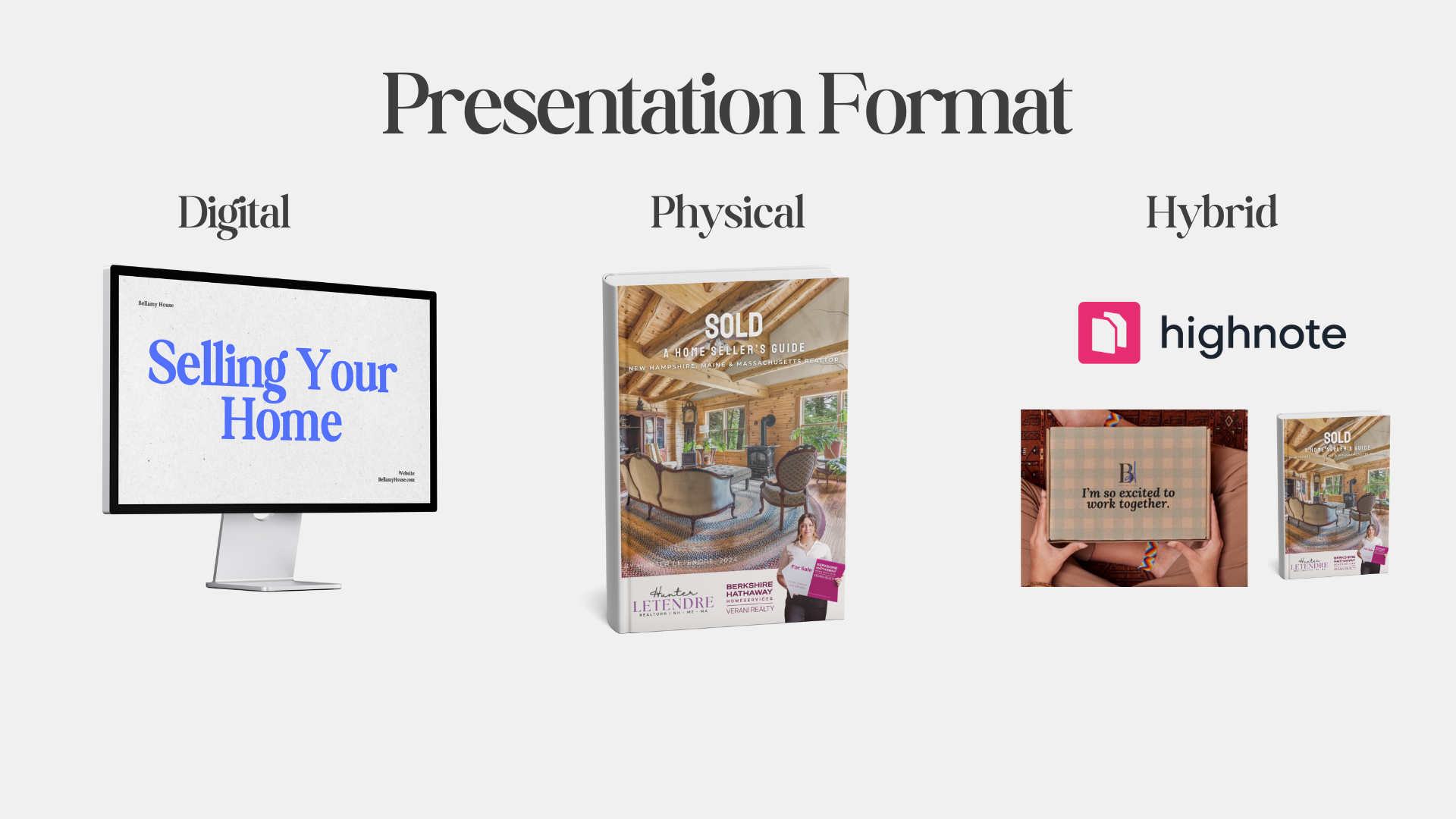
Now, let's keep in mind. Right now, we are focusing on building out a professional, usable, and attractive Listing Presentation. This is for new agents or experienced agents who are looking to improve their listing game.
There are endless things you can do to improve your presentations, but right now, we are going to focus on the crucial basics.
Step One: Choose a format to start with.
- Digital: A digital presentation can be sent ahead of time, used as a guide at the appointment, or a combination of the two!
Format:
- Clean, straightforward
- Design supporting your brand
- Easy to adjust or replicate
Pages You Need:
- About Your Brokerage
- About You (Bio, Experience, Testimonials)
- The Process Overview
- Financial Information
- What to Expect When Working Together/Services
- Contact/Connect Page
Avoid: Reading directly from the slides during your presentation. It is a guide and a support, not the whole act.
- Physical: This works great as a guidebook, as you can have a printed copy and a digital version. You can include more information, as it is easier to give to a potential client for them to review on their own terms. It also makes great collateral to hand out.
Pages You Need:
- About Your Brokerage
- About You (Bio, Experience, Testimonials)
- The Process Overview
- Financial Information
- What to Expect When Working Together/Services
- Contact/Connect Page
Optional Additons
- FAQs
- Your Preferred Vendors
- Filable Seller Net Sheet
- Glossary of Terms
- Letter From the Future
- Local Area Articles/Information
- Hybrid: The hybrid approach is underutilized and often packs the most punch, but can take more time and effort to set up and maintain.
Use tools like Highnote to send a digital version of your presentation ahead of time.
Build out a “pre-listing package” and fill it with your physical guides, contracts or small gifts ⟶ mail it to the potential client’s home prior to your first appointment.
Upon arriving, direct them to the package, and pull out all your presentation materials.
See, The Better Onboarding Box.
What You Need to Gather & Prepare
Now that your format is settled, there are several other items you will need to gather (and study!) to crush your listing appointment.
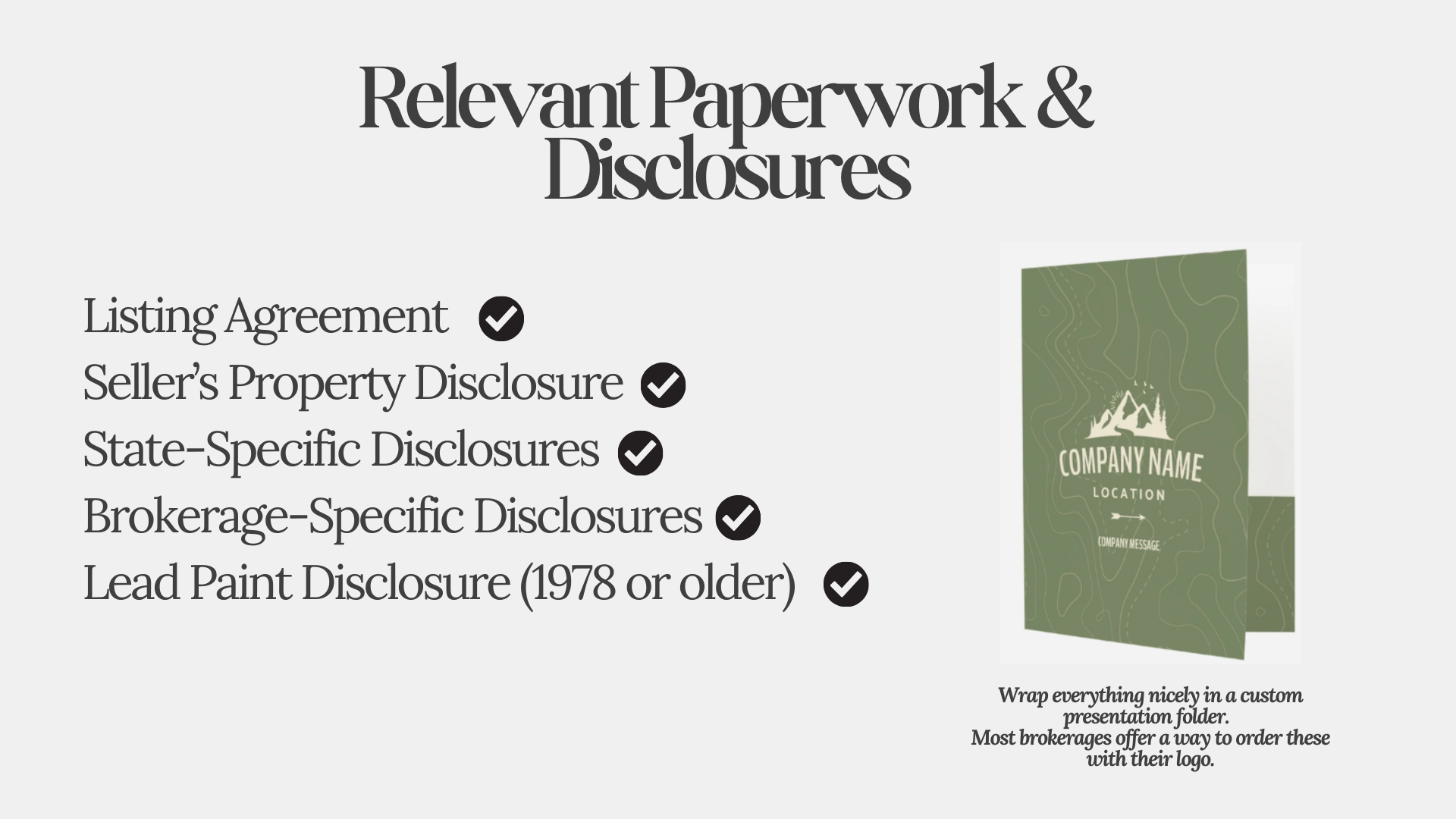
- Necessary paperwork.
Listing Agreement: Ideally, you can leave with this signed. Or, explain it to the customer and leave it with them to review
Seller’s Property Disclosure: Explain, and leave behind for them to fill out as their “homework.”
State-Specific Disclosures: Example: Maine requires an Arsenic in Water and Wood disclosure to be initialed by the seller and buyer.
Brokerage-Specific Disclosures: Some brokerages may have an Affiliated Business, Audio/Visual, it or some other required paperwork.
Lead Paint Disclosure (1978 or older): If needed, explain this disclosure and include it in the seller’s “homework”.
Your Personal "Tools"
Outside of paperwork and presentations, you have a full toolbelt you'll need to gather and discover.
You are here to make an impression. You are a capable and trustworthy professional, so show up like one.
Required:
- Presentation Materials
- Folder with necessary paperwork.
- Market Update & Starter CMA*
- A clean notebook for your notes.
- Quality pens.
- Nametag.
*Market Update: You WILL be asked, “How’s the market?” Be prepared to answer.
The Hotsheet Option:
- Prepare a market update sheet for the local area.
- Use examples and data for DOM, Price Reductions, Inventory, and other relevant statistics.
- Requires additional time to research before listing appointments.
- Be certain your sheet is updated.
"Off The Cuff":
- This method takes time and skill to develop.
- Are you capable of explaining the difference between and Buyer’s market and a Seller’s market?
- How does supply and demand affect the real estate market? Where on the scale are we at this current time?
- How does your local market differ from the broader area you serve?
*The "Starter CMA."
The CMA (Comparative Market Analysis), is the method an agent uses to price a client's home. It takes similar local properties (age, size, features, etc.) and considers the sale price, DOM, and other relevant criteria.
Our Advice: Do NOT bring this to the appointment. You can't accurately or professionally value the home until you have seen it in person and discussed the seller's goals. Do this instead:
- Bring a wide selection of comparable sales based on the online data of the property.
- Send a refined, annotated CMA after the meeting.
- This allows for the chance to reach back out to the seller, and gives you a chance to properly determine a price.
“Why can’t you tell me a price right now?”
⟶ “I don’t feel I am serving you by sharing a price that I am not confident in. Now that I have seen the home, I can return to the data and give you a price range I am most confident in. It’ll be in your inbox before the end of the day.”
Your Brand & "Dress Code"
You are building your “brand”; this deserves some real consideration.
Consider: What message do you want to send? What should clients think of when they think of you? What clothing would appeal most to the type of client you want to serve?
What style is both authentic to yourself and beneficial to growing your business and establishing your brand?
Myth: You need to dress in designer clothes, drive a fancy car and wear a Rolex,.
Fact: You need to be professional, but in a manner that is appealing to the clientele you want to serve. Who is your market? Dress for them.

The "Wow Factor"
While this may be a little advanced for new agents, Bellamy House believes in setting ambitious, but attainable goals. Setting yourself apart early will set you up for your whole career.
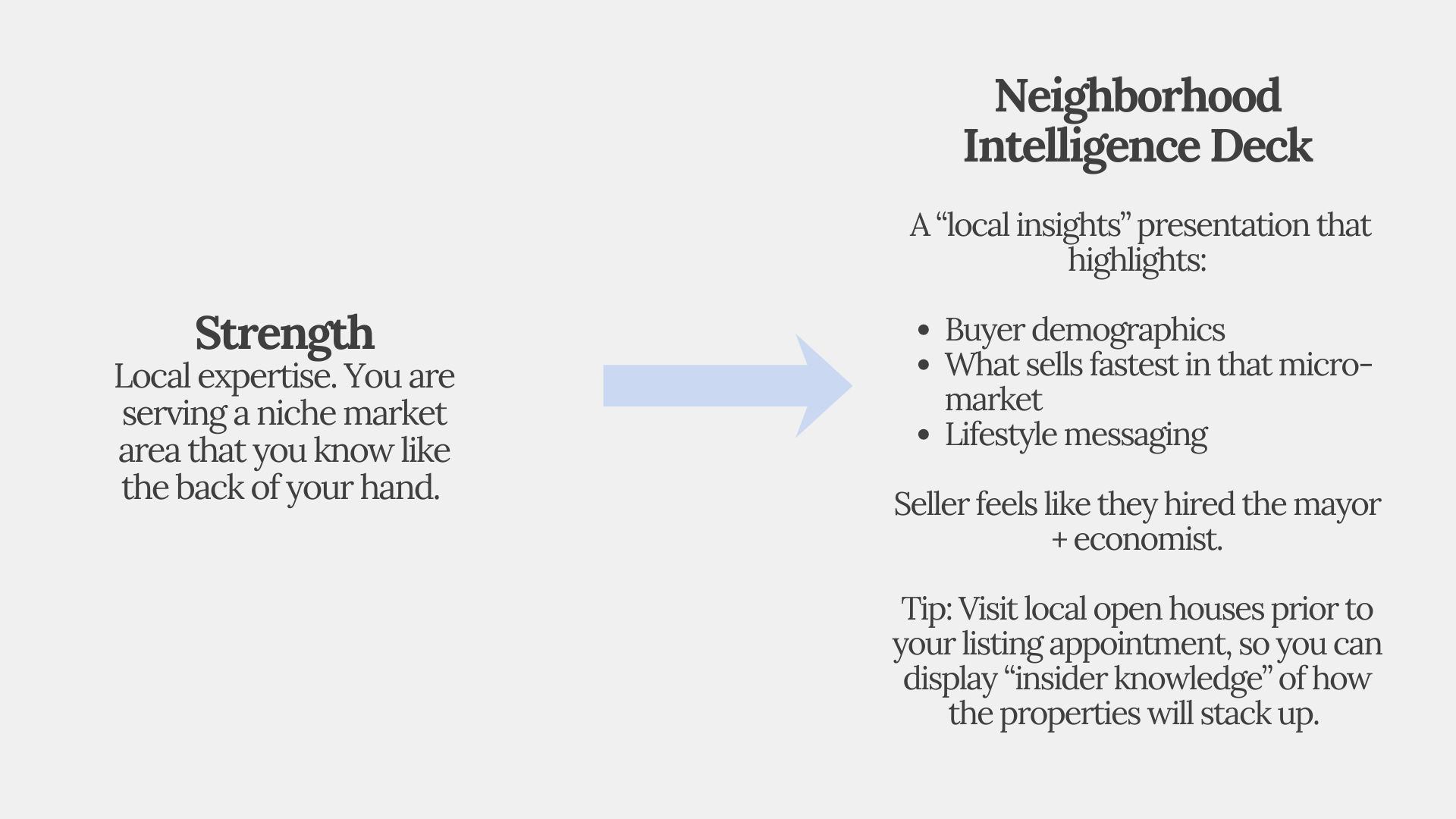
Your "wow factor" in your listing presentation is something that will help set you apart even further from your competition. For this, we are going to play to your strengths.
Use Caution:
- Paying out of pocket for “extras.”
- Spending big $$$ on presentation tools.
- All flash, no substance.
Check out our SWOT Analysis article, then take some time and consider what your strengths are. You don't need to have any sales under your belt to have them.
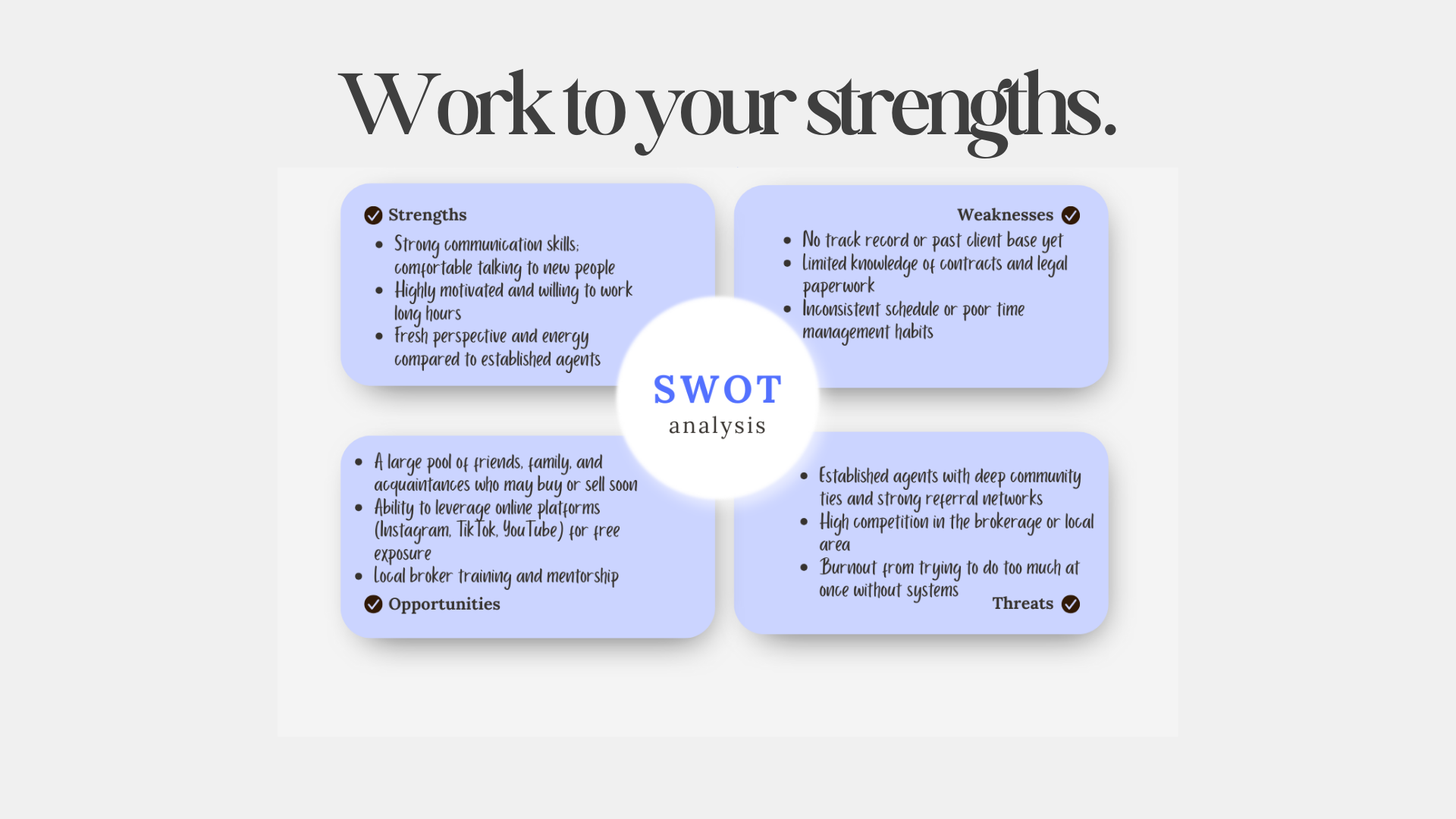
Let's look at a few examples of how your strengths can translate into a listing presentation "wow factor":
Strength: Solid sales history and excellent marketing practices. Testimonials, skills, and services to show off.
This could become a "wow factor" of a...
Video Brochure: Highlight your experience, past marketing examples, and creative skills with a short video, delivered in a high-end video brochure.
But what if you don't have sales experience?
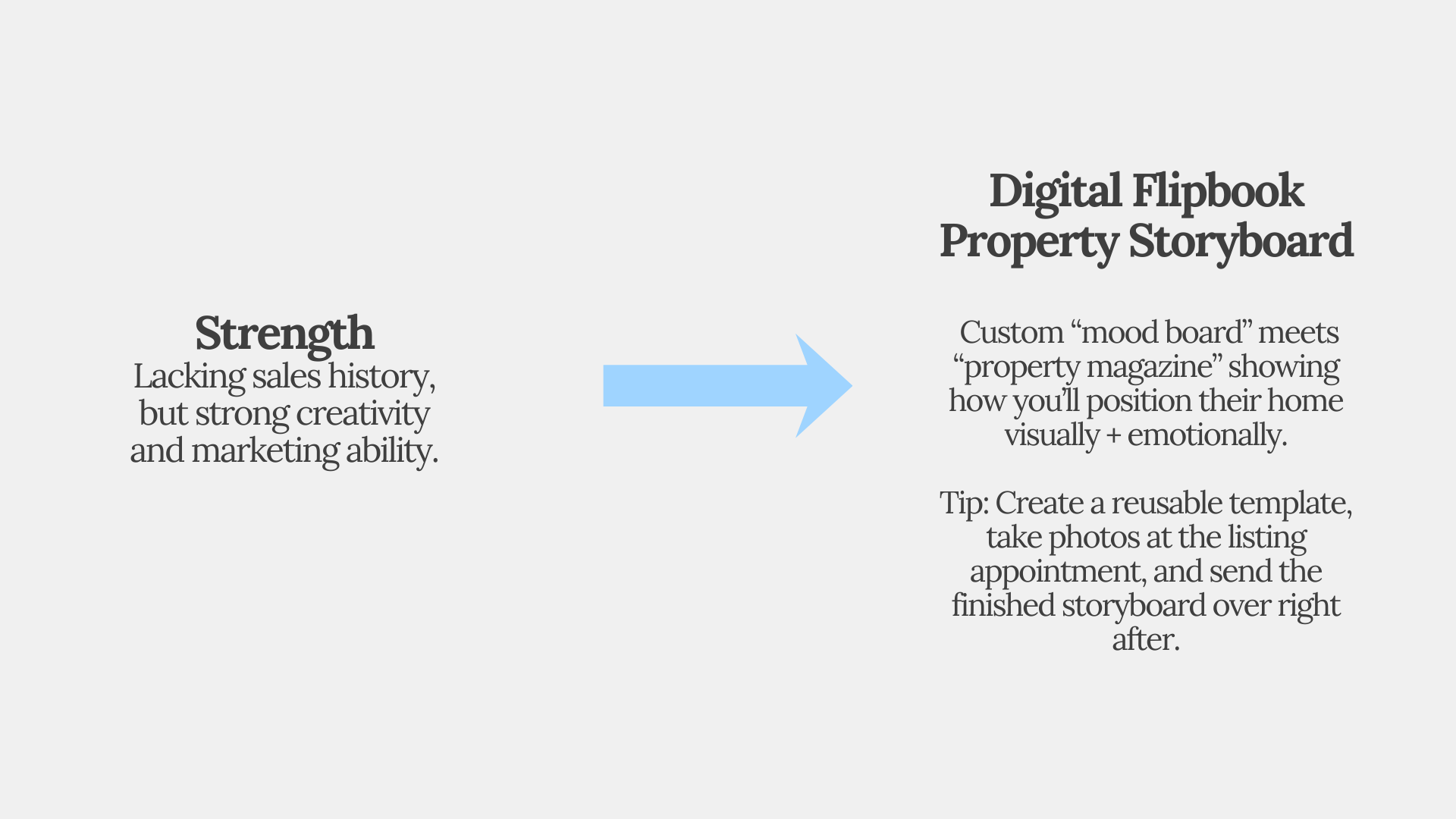
Not so creative or technically adept? That's okay - you are here to serve clients who want to work with you.
The Listing Presentation
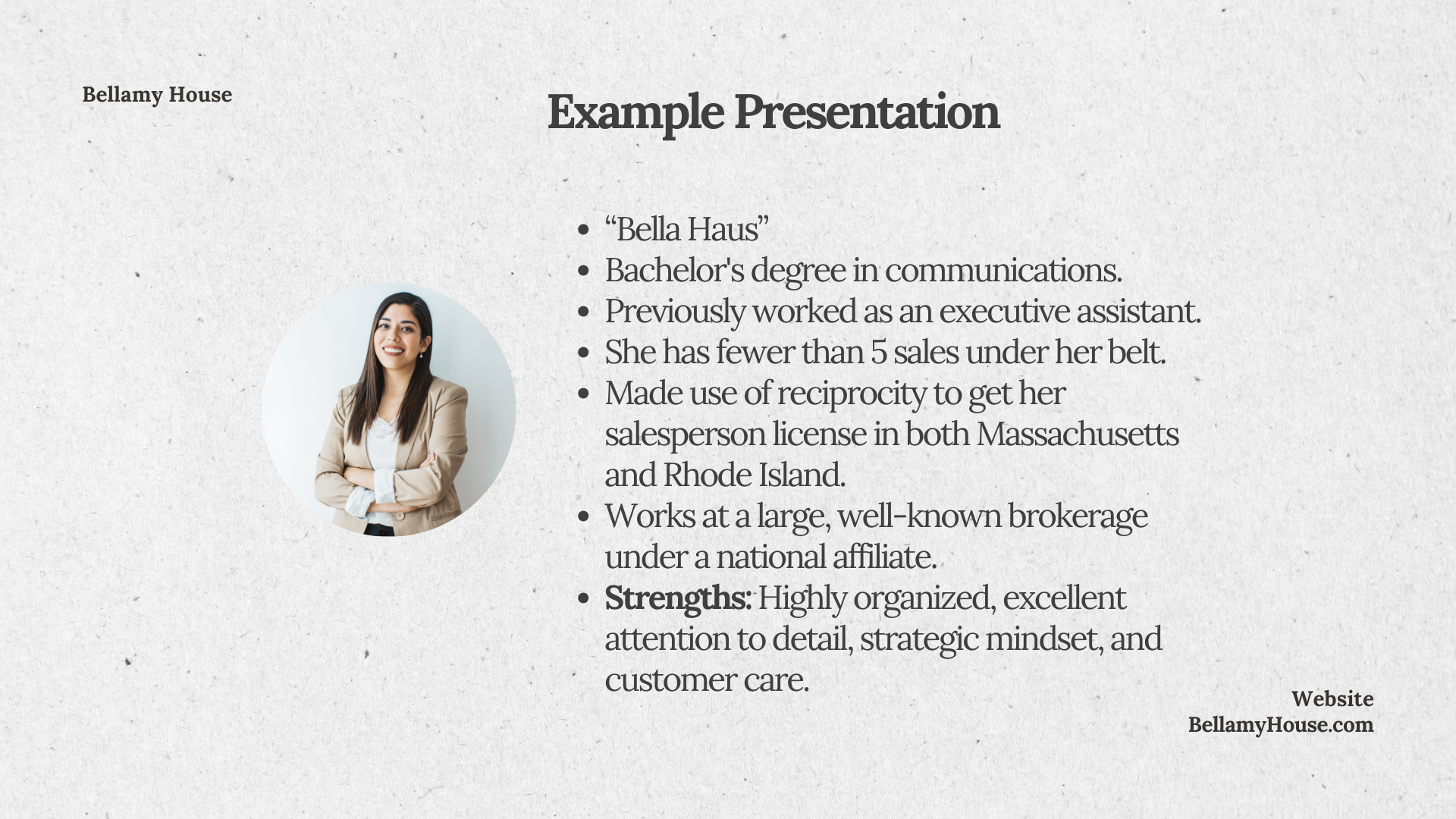
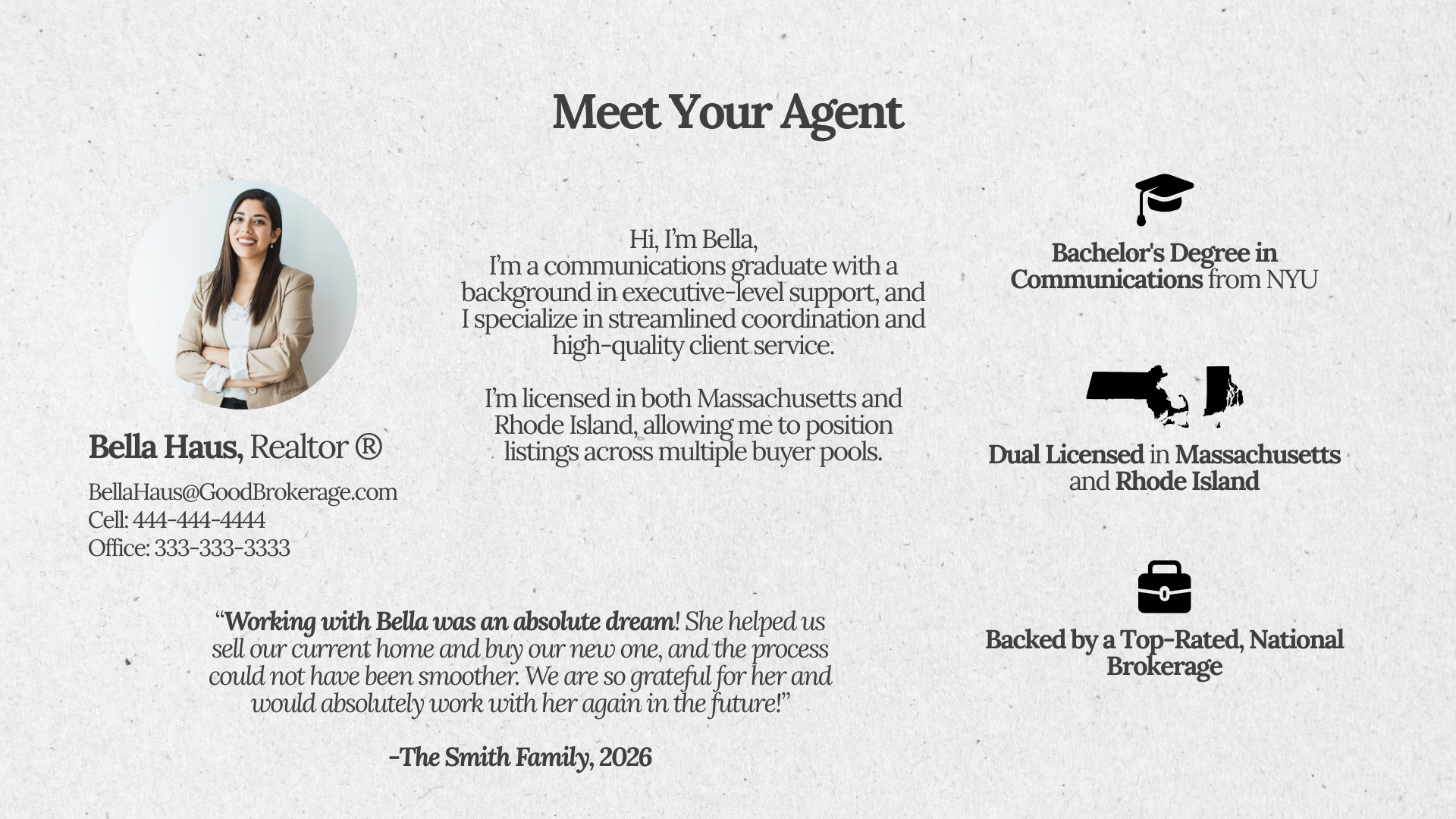
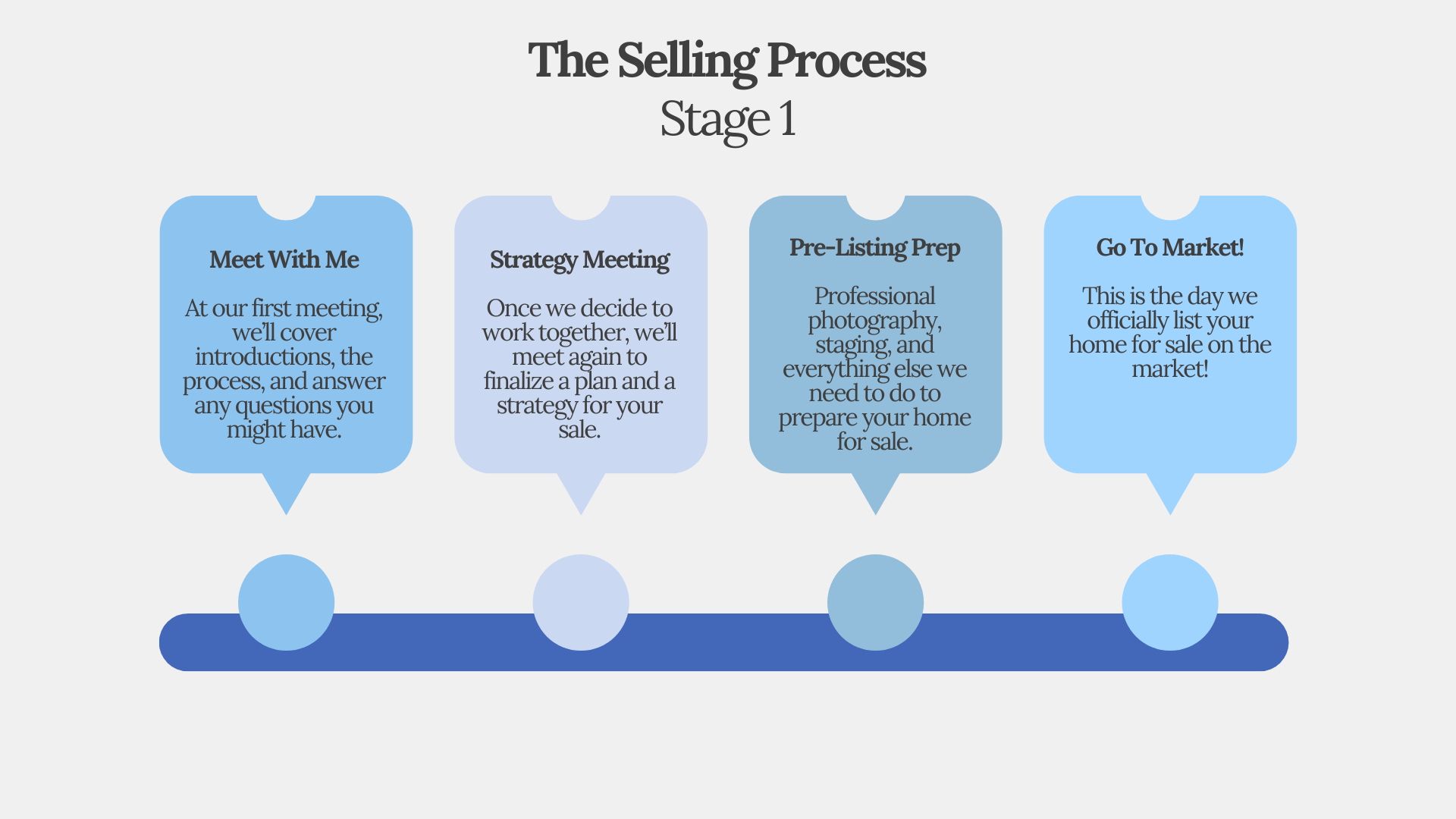
This portion is much better explained on our YouTube. Follow this link to watch the video. If you'd prefer to continue the article, below you will find example pages from our Listing Presentation Demo.
We used a fictional, new agent called "Bella Haus" to show how you can develop a functional and eye-catching presentation with limited experience.

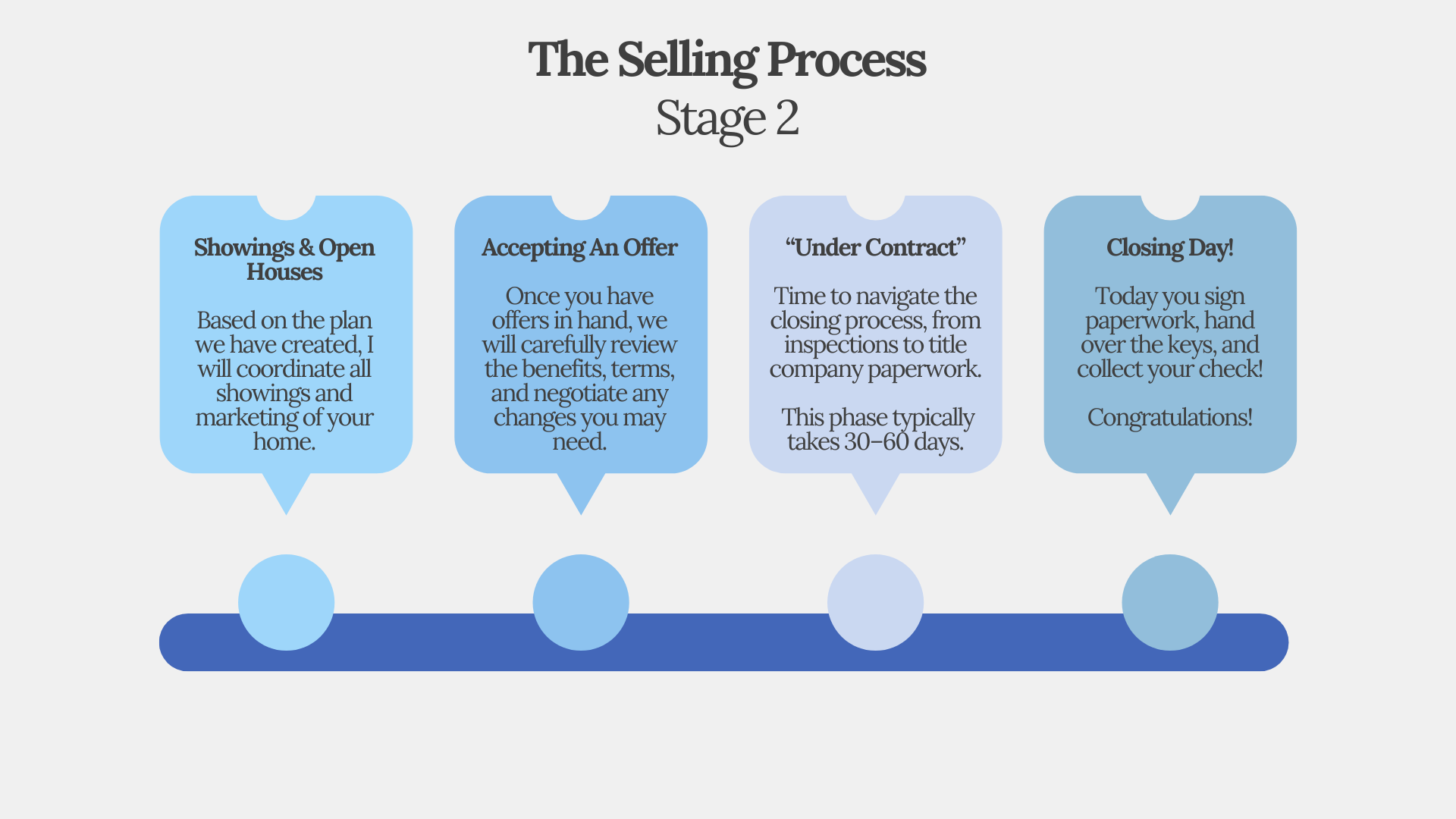
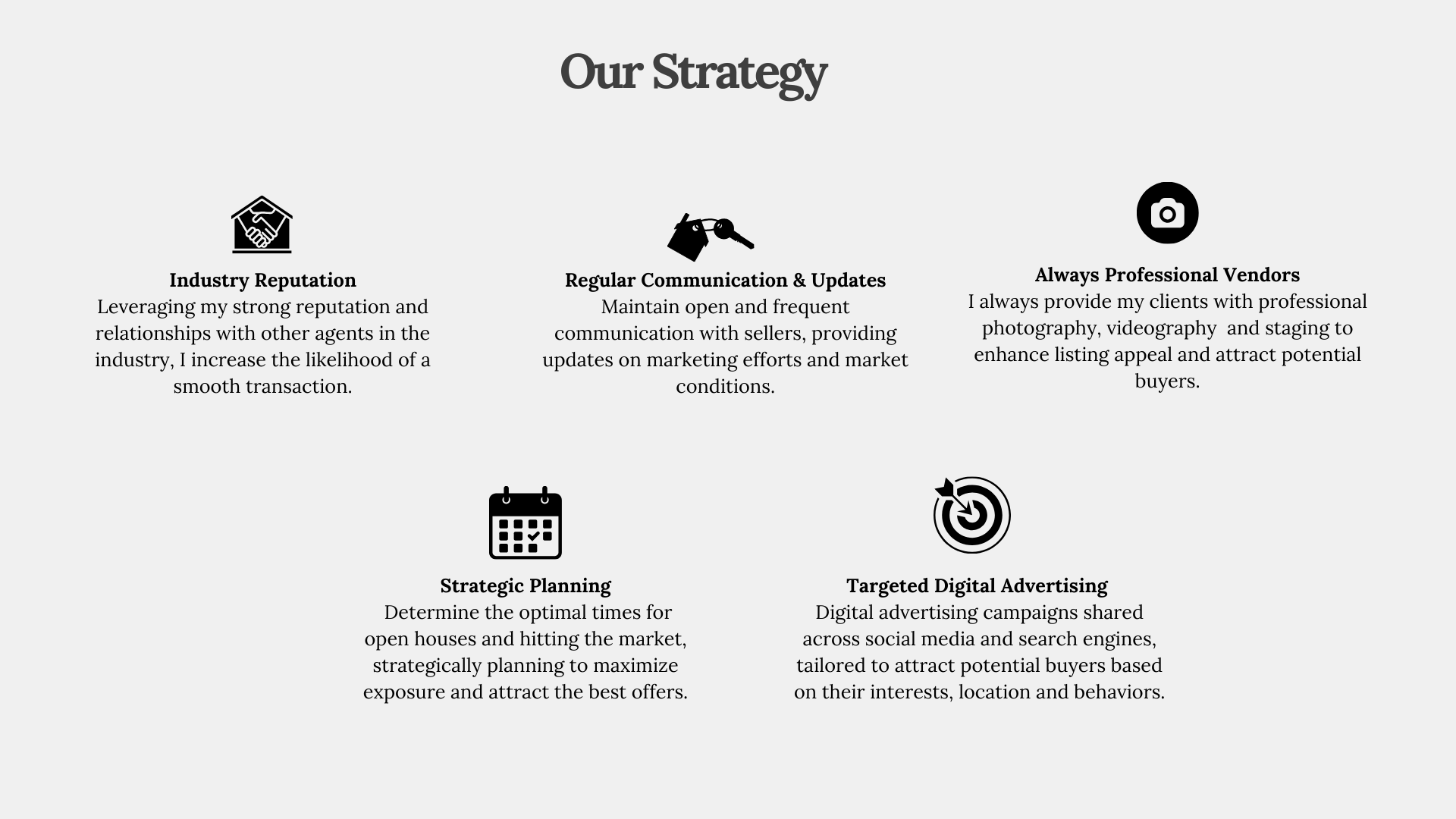
View the rest of the slides on YouTube.
Scripts & Objection Handling
Once again, we go into far more depth on the YouTube video and include demos of what you might want to say in response. In this article, you will find examples below of the most likely questions and pushback you will encounter.
Commission:
- “So, what do you charge?”
- “Will you discount your rate?”
- “Another agent charges X, will you match it?”
Pricing:
- “How much do you think my home is worth?”
- “Why is your suggested price lower than what I think it should be?”
- “Another agent said they could get me more—why can’t you?”
- “Can we just try a higher price first and reduce it later?”
Experience:
- “How many homes have you sold?”
- “Have you sold in this neighborhood before?”
- “Why should I hire you over someone with more experience?”
Worries & Fears:
- “What happens if the home doesn’t sell?”
- “How do you handle inspections, negotiations, and appraisal issues?”
- “What do we do if the buyer asks for repairs or credits? We’re NOT making repairs!”
At the end of the day, mastering your listing presentation isn’t about having the fanciest slides or the most dramatic “wow factor.” It’s about being prepared, clear, and confident enough to show sellers that you can guide them from “we’re thinking about selling” to “we successfully closed.”
If you want support beyond this article and video, Bellamy House offers:
- 1:1 and small-group coaching for new and growing agents
- Listing-focused practice sessions (roleplay, objection handling, and presentation reps)
- Free resources like checklists, templates, and scripts to plug directly into your business
Visit our Coaching Page for more information.
If your next step is to build a listing presentation you’re proud to deliver—and actually feel confident walking into that living room—start by grabbing the free tools, then consider booking a coaching session to refine your approach.
You don’t have to figure this out alone, and you definitely don’t have to “wing it” at the table.
© 2025 Bellamy House. All rights reserved.
The resources, templates, and content provided are for educational and informational purposes only and do not constitute legal, financial, or business advice. Use of these materials does not guarantee specific results. By accessing this site and its materials, you agree not to reproduce, resell, or distribute any content without written permission.


